

Indoor Liana Cissus is very popular with gardeners. Also, they appreciate the spectacular leaves in it, and the fact that it proliferates. Also, the advantage of such a culture is its unpretentiousness. That is why decorating your house with this vine will be able for an experienced grower or a beginner.
Plant Overview
- Scientific Name: Cissus quadrangularis
- Family: Vitaceae (grape family)
- Common Names: Veldt Grape, Hadjod, Devil’s Backbone
- Origin: Africa, India, Southeast Asia
- Growth Habit: Fast‑growing perennial vine with square‑shaped stems
Growing Conditions
- Light: Prefers bright, indirect light; tolerates some direct sun.
- Temperature: Warm climates (20–30°C); avoid frost.
- Humidity: Moderate; adapts well to indoor conditions.
- Soil: Well‑draining sandy or loamy soil; thrives in slightly dry conditions.
Watering & Feeding
- Watering: Moderate; allow soil to dry between waterings. Overwatering causes root rot.
- Fertilizer: Monthly balanced fertilizer during growing season (spring–summer). Reduce in winter.
Planting & Propagation
- Propagation: Stem cuttings root easily in sandy soil.
- Potting: Use a sturdy pot with drainage holes.
- Support: Provide trellis or stake for climbing stems.
Pruning & Maintenance
- Prune regularly to control size and encourage bushy growth.
- Remove weak or damaged stems.
- Repot every 2–3 years to refresh soil.
Benefits
- Traditionally used in Ayurveda for bone healing and joint health.
- Attractive ornamental vine with unique square stems.
- Low‑maintenance, drought‑tolerant houseplant.
Cissus Quadrangularis Overview
Cissus is a vine that belongs to the family of Grapes. At home, it is grown as a basket plant. People still call it “home grapes” or birch. This genus includes about 300 species that can be found in nature. Most of the species in the environment grow in areas with subtropical and tropical climates. Cissus grows a mustache, which he clings to the support.
When grown at home on vine flowers appear very rarely. False inflorescences umbrella-shaped in hits composition include small pale flowers that are not of decorative value.
Appreciate the same vine for its beautiful foliage. Raise it in hanging pots. Cissus can decorate both offices and apartments, as well as glazed balconies.
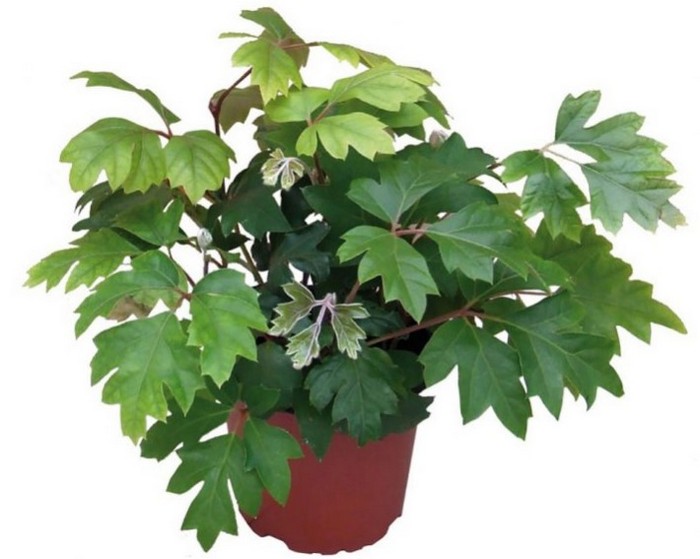
Gardeners have noticed that if such a vine creates favorable conditions, it will please a very rapid growth. The plant is rapidly entwining support, while it grows a large number of green leafy stems. Often the vine is grown in winter gardens.
Care for Cissus at home
If you decide to grow Cissus at home, then you need to take into account that it does not require any special care. However, to become the most spectacular vine, you need to know in what conditions it is most comfortable to grow. So the right care and suitable conditions for growth will be an excellent prevention of various diseases and pests.
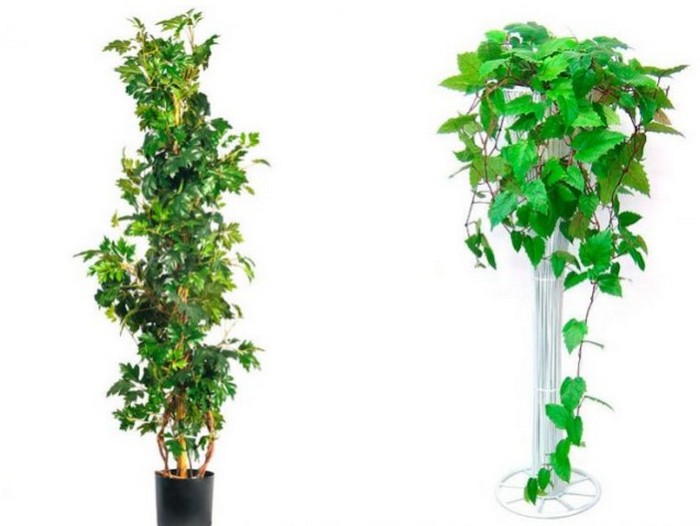
Cissus refers to heat-loving plants, and therefore for healthy growth and development it is required: in the summer ― from 18 to 25 degrees, and in autumn and winter ― about 18 degrees. Make sure that the room where the vine was not colder than 10 degrees, and yet it must be protected from sudden changes in temperature and drafts. Otherwise, it can fly around all the leaves.
Illumination
Needs bright sunlight, but it needs to be diffused. As a rule, each of the varieties has its requirements for lighting. For example, Antarctic Cissus can be grown in shaded areas. Therefore it can be grown in the bathroom or in the hall, which has poor lighting. While yellow Cissus needs much light.
Irrigation
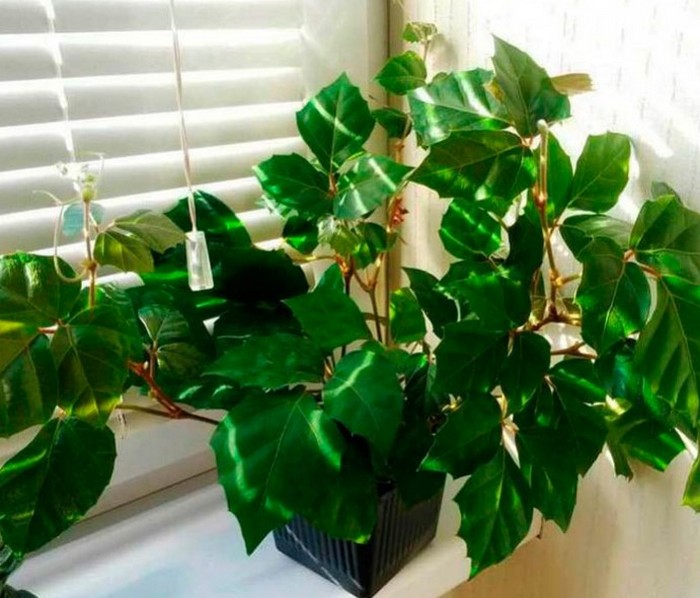
Since this is a fast-growing plant with many shoots and lush foliage, watering should be given special attention. They should be plentiful but do not allow stagnation of fluid in the root system.
Make sure that the substrate in the pot was all the time slightly moist. The Bush is watered immediately after the top layer of the mixture dries. Approximately from the middle of autumn watering should be reduced.
Humidity
Needs high humidity, so the Bush should be moistened from the sprayer quite often. In winter it is done twice a day, and in summer ― 1 time a day. If the Bush is not very large, it can arrange a warm shower. At the volume of lianas growing on a support, it is necessary to wipe leaves a damp rag from time to time.
Fertilizer
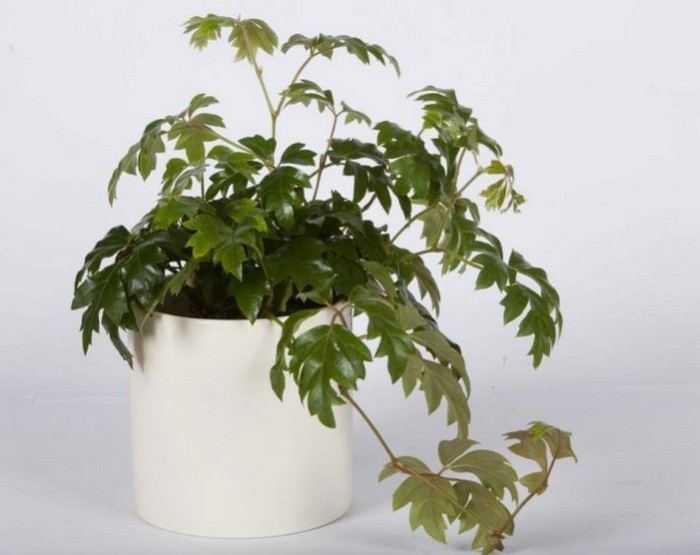
Liana responds well to feeding any full compound mineral fertilizer. It is applied to the substrate every seven days throughout the growing season. In winter, the plant does not need many nutrients, so it is not necessary to feed.
However, it should be noted that if in the cold season for Cissus was no organized rest period, then it continues to feed, but once every 15 days and use a nutrient mixture of lower concentration.
Transplantation
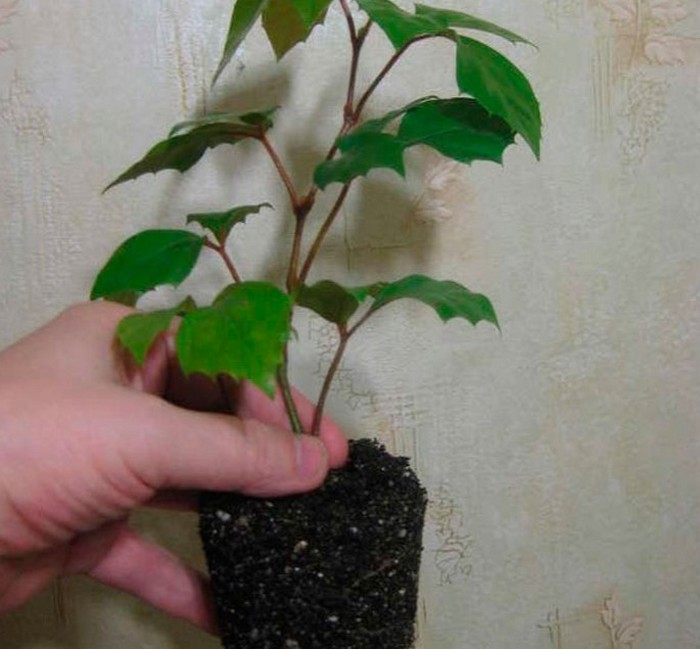
Young saplings are transplanted annually handling in the new pots. Since the age of five transplants is carried out less frequently, namely, one every 2 or 3 years. At the bottom of the pan do not forget to make a good drainage layer, and fill it with a substrate consisting of sand, good hummus, peat, turf, and leaf soil, which are taken in equal shares.
Clipping
Trimming the vine is recommended during springtime. To do this, holding the shortening made it less attractive for old lashes. To improve the branching is carried out by nipping the young shoots. The plant tolerates pruning well and after it starts to grow actively.
Cuttings
Harvesting of cuttings is carried out even in summer, even in winter. In one container for rooting plants 3 or 4 cuttings, while it is filled with a fertile light substrate with a high content of peat and sand. Systematically water them and keep them warm (from 20 to 22 degrees). If young leaves are formed on the stalk, it means that it has grown roots.
The division of the Bush
If an adult Cissus has grown strongly, then it can be divided during transplantation. In classified during planting is recommended to shorten the shoots, in this case, they will take root much faster.
Growing from seeds
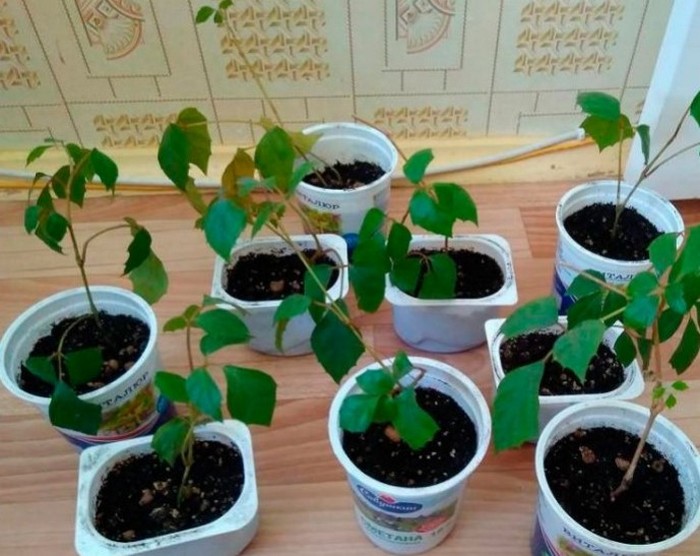
Seeds are grown mainly Arctic Cissus. Seeding is carried out in spring. To do this, take a small box and filled with a substrate consisting of peat and sand. Moisten its surface and spread the seeds on it. Sprinkle them with a thin layer of soil mixture, on top of the container be covered with a film (glass).
Crops need natural ventilation. The picking of seedlings in individual pots, in diameter reaching 70 mm, is carried out after the formation of two real leaf plates. In the future, transplants are carried out as the bushes grow.
Possible problem
If the Cissus is systematically inspected and adequately cared for, then it will be possible to avoid many problems that can arise when it is grown in indoor conditions.
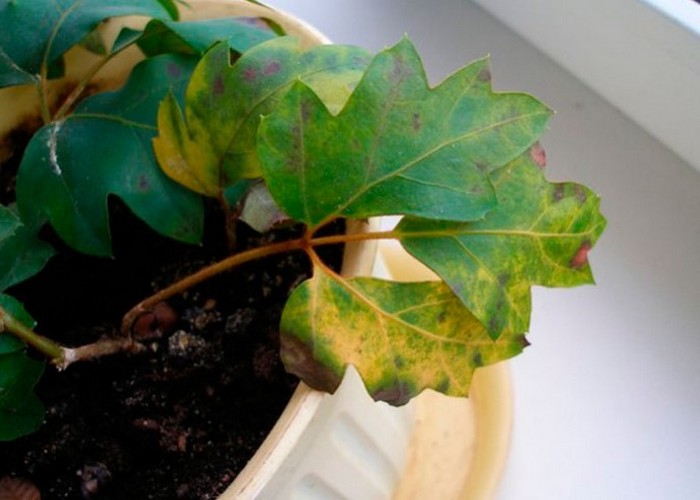
- If the leaves of the plant are bent and began to dry, then the room is arid air. Initially, it is necessary to moisten the space around the vine, and the leaves are sprayed with water.
- The leaves dry and fly around this is due to the high temperature in the room. It is necessary to rearrange the flower in a cool place, and in the summer can be taken out into the air.
- If the leaves turn pale or bright spots appear on them, it signals too bright light, and the leaves have a sunburn. The plant should make a shade.
- On Cissus brown spots due to strong waterlogged soil. It is necessary to stop watering the top layer of the earth to dry for 2-3 cm.
- If Cissus actively sheds leaves, it must be rearranged from the cold room and protected from drafts. So also to create the necessary temperature regime for Cissus.
- The leaves wither and fade, and the plant slows growth. The Cissus does not have enough nutrients. The appearance of black spots indicates a lack of phosphorus, and brown – nitrogen. It
- is necessary to choose a fertilizer with a balanced composition and timely feed the vine.
- Cissus stops growing, and young branches do not appear. The plant took all the space of the pot, and you need to transplant it into a more spacious pot.
Another type of Cissus with photos and names
There are about 300 species of Cissus, but only a few of them are cultivated in indoor conditions by gardeners. At the same time, each of these species has several varieties that differ from each other. They have very high unpretentiousness and endurance.
Cissus rhombifolia
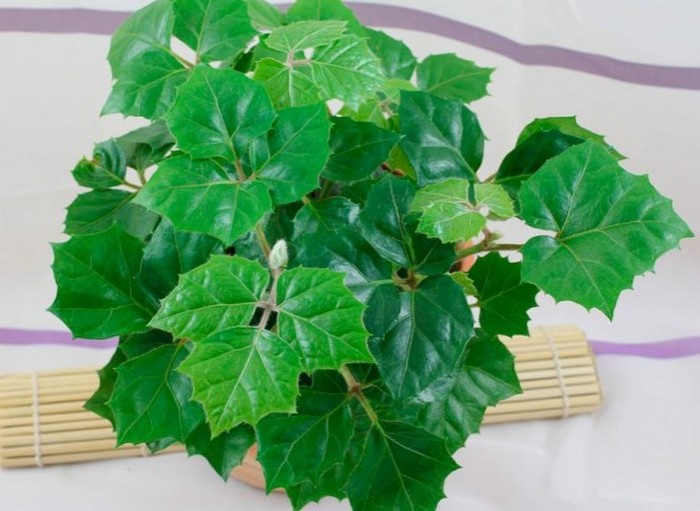
This species was named so because its foliage has a diamond shape. It belongs to fast-growing plants. If it is well cared for, then during just one growing season it can add up to 200 cm in length. This vine is characterized by high endurance, and it grows well in places with adverse conditions.
Cissus discolor
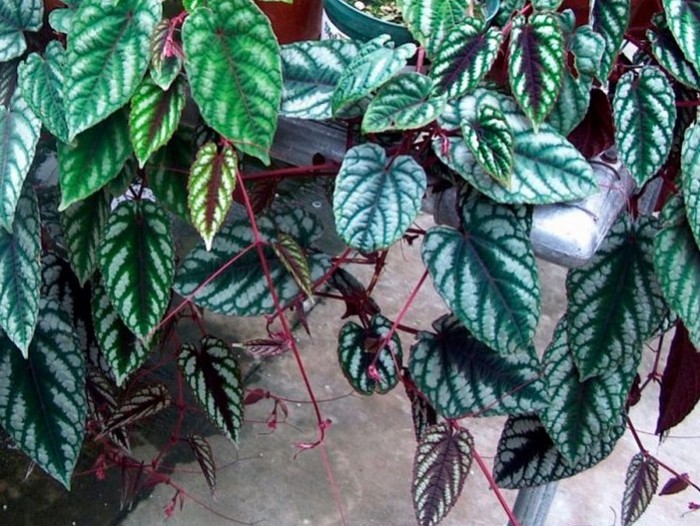
This species is valuable because it has colorful, spectacular foliage, with the primary color being pale red. On the entire surface of the plate, there are spots of silver color, with its reverse surface ― purple.
Cissus striata
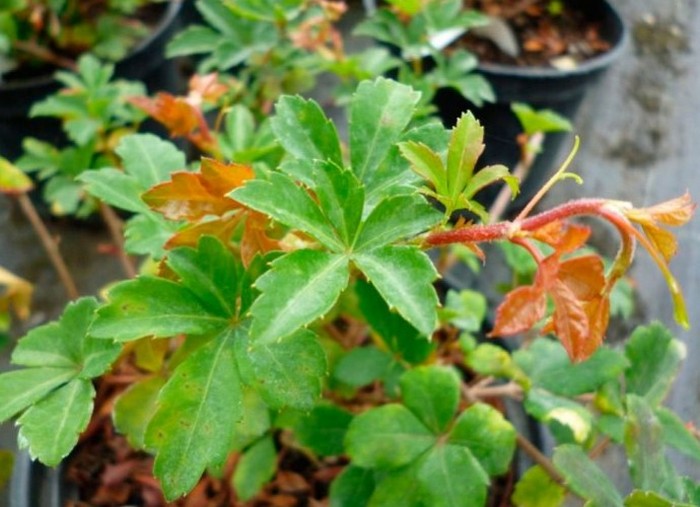
The foliage has a shape very similar to the maiden grapes. As a decorative vine grown varieties with pale red color. Different endurance, unpretentiousness, and rapid growth.
Cissus Antarctica
This highly decorative species is more demanding in care. In poor lighting, there is a slowdown in the growth of the Bush, and it can suffer from excessively low humidity. Color green foliage, dull.
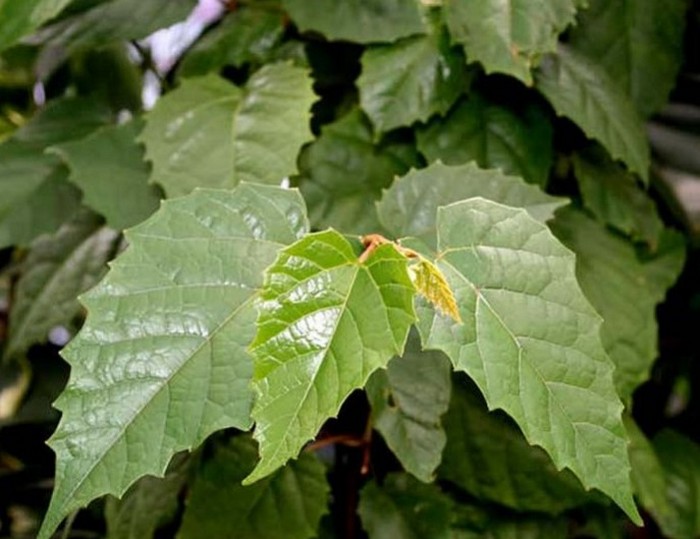
The most decorative of all cissus grown at home is tissue multicolored. It stands out among other species for its spectacular and not quite the natural color. However, it would help if you were prepared for the fact that it is not so easy to grow.
In nature, such a plant is found in the tropics. Therefore, for the vine to grow and develop rapidly, the air temperature in the room must be at least 25 degrees all the time, and it needs high humidity. Residents of the island of Java cut the shoots of vines and drink their juice.
FAQ’s
Q1. Is Cissus quadrangularis easy to grow indoors?
Yes, it adapts well to pots and indoor conditions if given bright light and well‑draining soil.
Q2. How often should I water it?
Water moderately; let the topsoil dry before watering again.
Q3. Can it survive drought?
Yes, it is drought‑tolerant, but prolonged dryness may slow growth.
Q4. Does it need pruning?
Yes, pruning helps manage its fast growth and keeps it compact.
Q5. Is it medicinal?
Traditionally, it’s used for bone healing and joint support, but consult a healthcare professional before use.
Q6. Can it grow outdoors?
Yes, in warm climates; protect from frost and excessive rain.
Key Takeaway
Cissus quadrangularis is a hardy, fast‑growing vine that thrives in warm, bright conditions with minimal care. Keep soil well‑drained, water moderately, prune regularly, and enjoy both its ornamental and traditional medicinal value.